
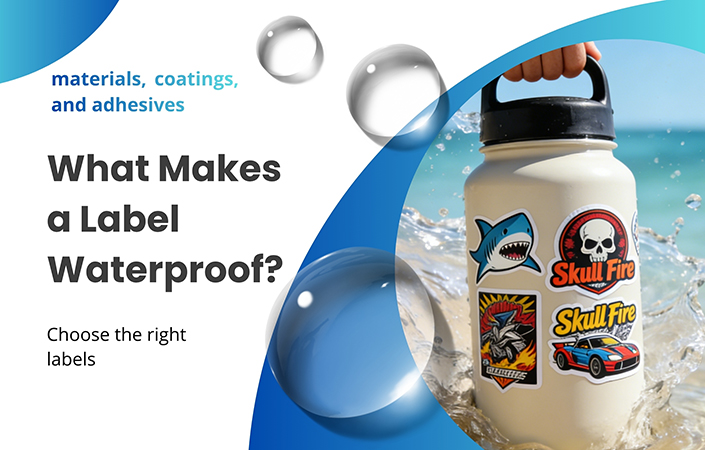
When businesses search for what makes labels waterproof, they are often trying to solve a very practical problem: labels that fail in real-world conditions. Whether you’re selling beverages, cosmetics, cleaning products, or refrigerated goods, label durability directly impacts brand perception, compliance, and customer trust.
In the U.S. retail and eCommerce market, studies from Statista show that over 70% of consumers associate packaging quality with product quality. A label that peels, fades, or smudges can quickly damage that perception. That’s why understanding what makes labels waterproof is not just a technical concern—it’s a purchasing decision that affects your bottom line.
This article breaks down the key factors behind labels waterproof performance, including materials, coatings, adhesives, and printing technologies. More importantly, it helps buyers—retailers, manufacturers, and brand owners—make smarter sourcing decisions based on real application scenarios.
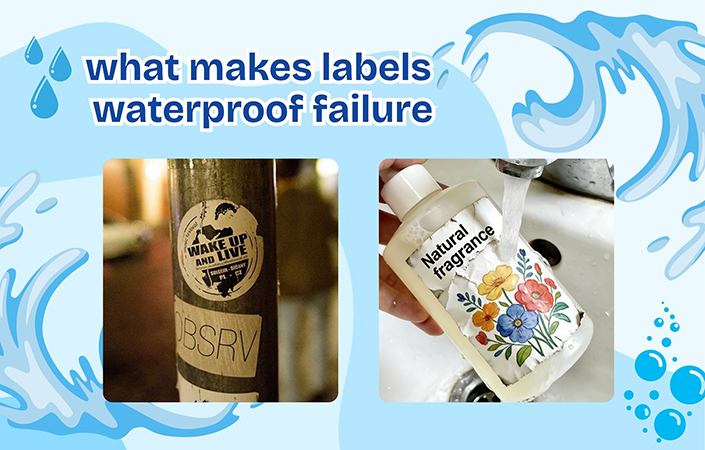
Why Not All “Waterproof” Labels Perform the Same
Many buyers assume that once a label is described as waterproof, it will perform flawlessly in any environment. That assumption leads to costly mistakes.
Common Pain Points
These failures happen because buyers misunderstand what makes labels waterproof.
Common Mistakes
Core Insight
Waterproof performance is not a single feature—it’s a system.
A label may use a water-resistant material but still fail due to poor adhesive or lack of lamination. To truly understand what makes labels waterproof, you must evaluate the entire structure.
👉 Related Solutions:
👉 Request Free Samples and test real waterproof performance before bulk production.
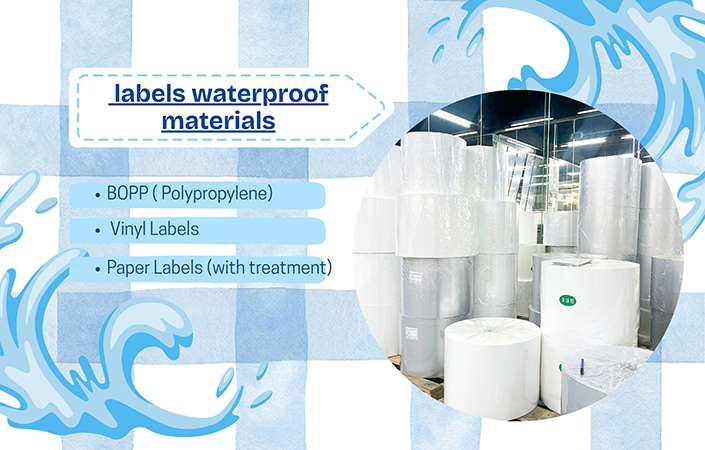
Best Waterproof Label Materials and How They Compare
Material selection is the foundation of what makes labels waterproof, but it’s only part of the equation.
Best for: food, beverage, personal care
BOPP is the most commonly used option for labels waterproof applications in retail packaging.
Best for: outdoor, industrial use
Vinyl is ideal when extreme durability is required, especially for outdoor branding.
Best for: dry environments or short-term use
Industry Pain Points
Key Takeaway
Material determines the baseline of waterproof performance—but not the final result.
👉 Explore Material Options to match your product needs.
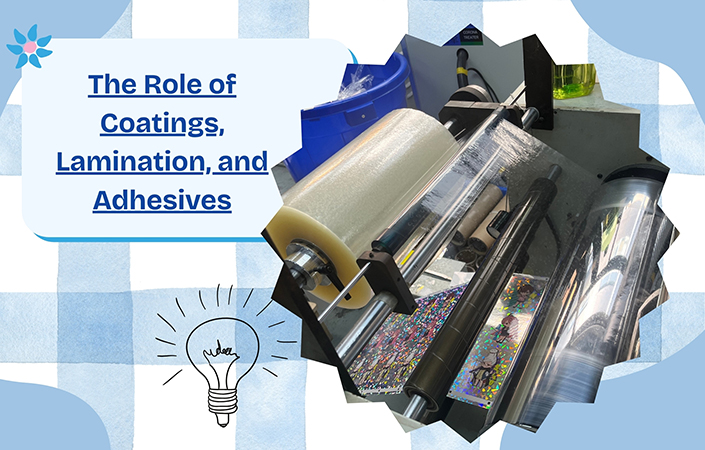
The Role of Coatings, Lamination, and Adhesives
If you truly want to understand what makes labels waterproof, this is the most critical section.
Common Mistakes
Core Insight
A truly waterproof label = Material + Lamination + Adhesive + Printing
This combination defines what makes labels waterproof in real applications.
👉 Talk to Our Expert to build the right label structure.
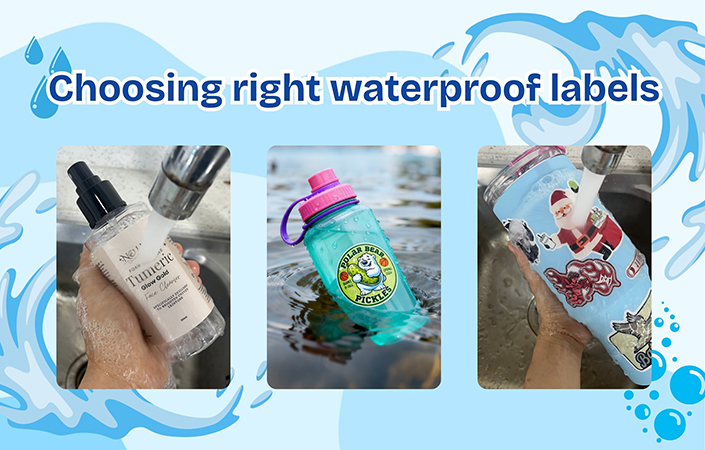
How to Choose the Right Waterproof Label for Your Product
Understanding what makes labels waterproof is only useful if you can apply it to purchasing decisions.
Step 1: Define Your Environment
Step 2: Choose the Right Material
Step 3: Confirm Finishing Options
Step 4: Test Before Bulk Production
Always test labels under real conditions:
Cost Consideration
Common Buyer Mistakes
Professional Advice
FAQ
What makes labels waterproof is the combination of material, adhesive, coating, and printing. Even if a label uses waterproof material, it can still fail without proper lamination or adhesive.
Not necessarily. While materials like BOPP and vinyl are water-resistant, labels waterproof performance depends on coatings and adhesives as well.
Paper labels can become water-resistant with coatings or lamination, but they are not inherently waterproof and are less durable than plastic options.
BOPP labels with freezer-grade adhesive are commonly used. They maintain adhesion even in cold and moist environments.
Apply samples to your product and expose them to real conditions such as water, refrigeration, or handling. Testing is essential to confirm what makes labels waterproof in your use case.
No. Vinyl is more durable but also more expensive. For most retail applications, BOPP provides sufficient waterproof performance at a lower cost.
Conclusion
Understanding what makes labels waterproof is essential for any business that relies on packaging quality. It’s not just about choosing a “waterproof material”—it’s about building a complete system that includes material, coating, adhesive, and printing.
For most applications, labels waterproof solutions like BOPP with proper lamination and adhesive provide excellent performance at a reasonable cost. For more demanding environments, vinyl may be the better choice.
The key is to match your label construction to your real-world conditions—not assumptions.


