
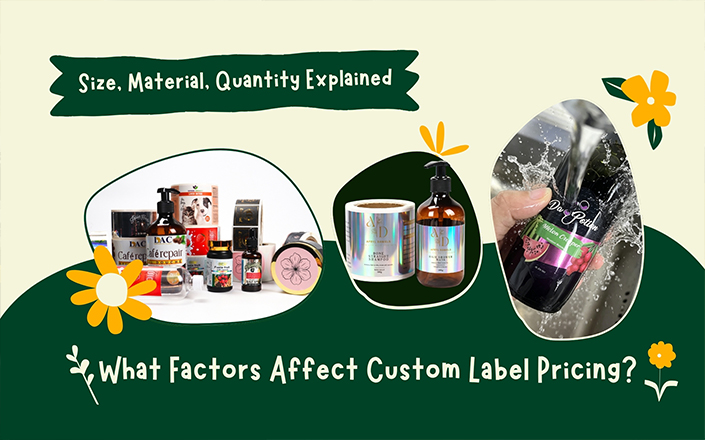
If you’ve ever requested quotes from multiple suppliers, you’ve likely noticed one frustrating reality: custom label pricing can vary dramatically—even for seemingly identical labels. This inconsistency often leads to confusion, misinformed decisions, and ultimately higher long-term costs.
Understanding label pricing factors is essential for businesses that rely on labels for packaging, branding, or compliance. Whether you're an eCommerce seller, a food manufacturer, or a growing retail brand, choosing the wrong combination of size, material, and quantity can result in unnecessary expenses or poor product performance.
According to industry insights from Statista and packaging market research, businesses that optimize their packaging procurement strategy can reduce labeling costs by 15%–30% annually—without compromising quality.
This article breaks down the core label pricing factors, including size, material, quantity, and hidden costs that most buyers overlook. More importantly, it helps you make smarter purchasing decisions—so you don’t just get the lowest price, but the best value.
Why Custom Label Prices Vary More Than You Expect
When analyzing label pricing factors, one of the first things buyers notice is the wide variation in quotes—even for similar specifications.
Common Industry Pain Points
Common Mistakes Buyers Make
Real Cost Insight
👉 The real difference in label pricing factors comes down to:
Example Scenario
A brand chooses low-cost paper labels for refrigerated products:
👉 Key Takeaway
The cheapest label is rarely the most cost-effective.
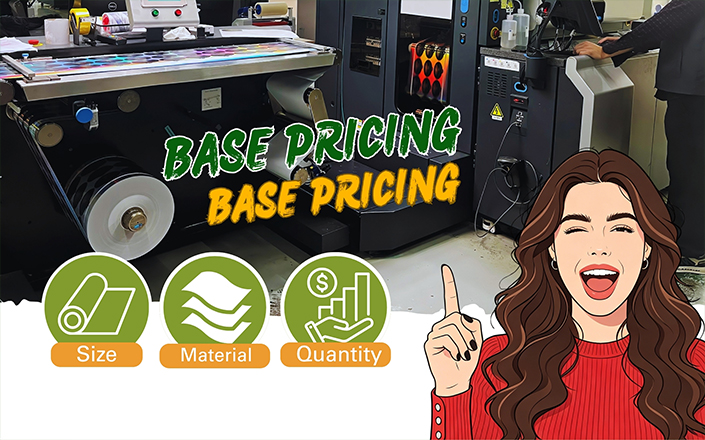
How Size, Material, and Quantity Impact Label Costs
The three most important label pricing factors are size, material, and quantity. These form the foundation of any pricing structure.
👉 Insight:
Non-standard sizes can increase both setup cost and waste.
Material choice is one of the most impactful label pricing factors:
📊 According to packaging market reports, BOPP labels are increasingly popular due to their cost-performance balance in food and consumer goods industries.
👉 Bulk pricing advantage:
Core Framework
👉 Size + Material + Quantity = Base Pricing Structure

Hidden Cost Factors: Finishes, Adhesives, and Durability
Many buyers underestimate secondary label pricing factors—but these often determine long-term cost.
👉 Prevents scratches, fading, and wear
👉 Incorrect adhesive = label failure
Industry Pain Points
Core Insight
👉 True cost is determined by performance over time—not initial price.
How to Reduce Label Costs Without Sacrificing Quality
Understanding label pricing factors allows you to optimize cost without compromising brand value.
Common Mistakes
Professional Advice
👉 Conversion Tip
Request a custom quote based on your exact size, material, and quantity to find the most cost-effective solution.
FAQ
The most important label pricing factors are size, material, and quantity. However, finishes and adhesives can significantly impact the final cost.
Different suppliers use different materials, printing technologies, and quality standards, which directly affect pricing.
Yes. Bulk orders significantly reduce unit cost due to production efficiency and material optimization.
Not necessarily. Low-cost labels may fail in real usage conditions, leading to higher long-term costs.
Optimize size, choose appropriate materials, and order in bulk while testing performance before scaling.
Conclusion
Understanding label pricing factors is not just about saving money—it’s about making smarter, long-term business decisions.


