
You've got a design (or five). You know you want custom stickers. Then comes the question that stops everyone: what format? Die cut? Kiss cut? Sticker sheets?
The three sound similar, they're all printed the same way, and to a first-time buyer they might as well be in a foreign language. But the format you choose changes how your stickers look, how you distribute them, how much they cost, and even how customers perceive your brand.
Here's the short version before we dive in:
After 24 years printing all three formats on our own factory floor, we can tell you exactly when each one wins. This guide gives you a clear decision framework — plus the trade-offs most guides skip.
Jokeystickers fact: We produce die cut, kiss cut, and sticker sheets in-house. If you're unsure which fits your project, send us your use case — we'll recommend the right one.
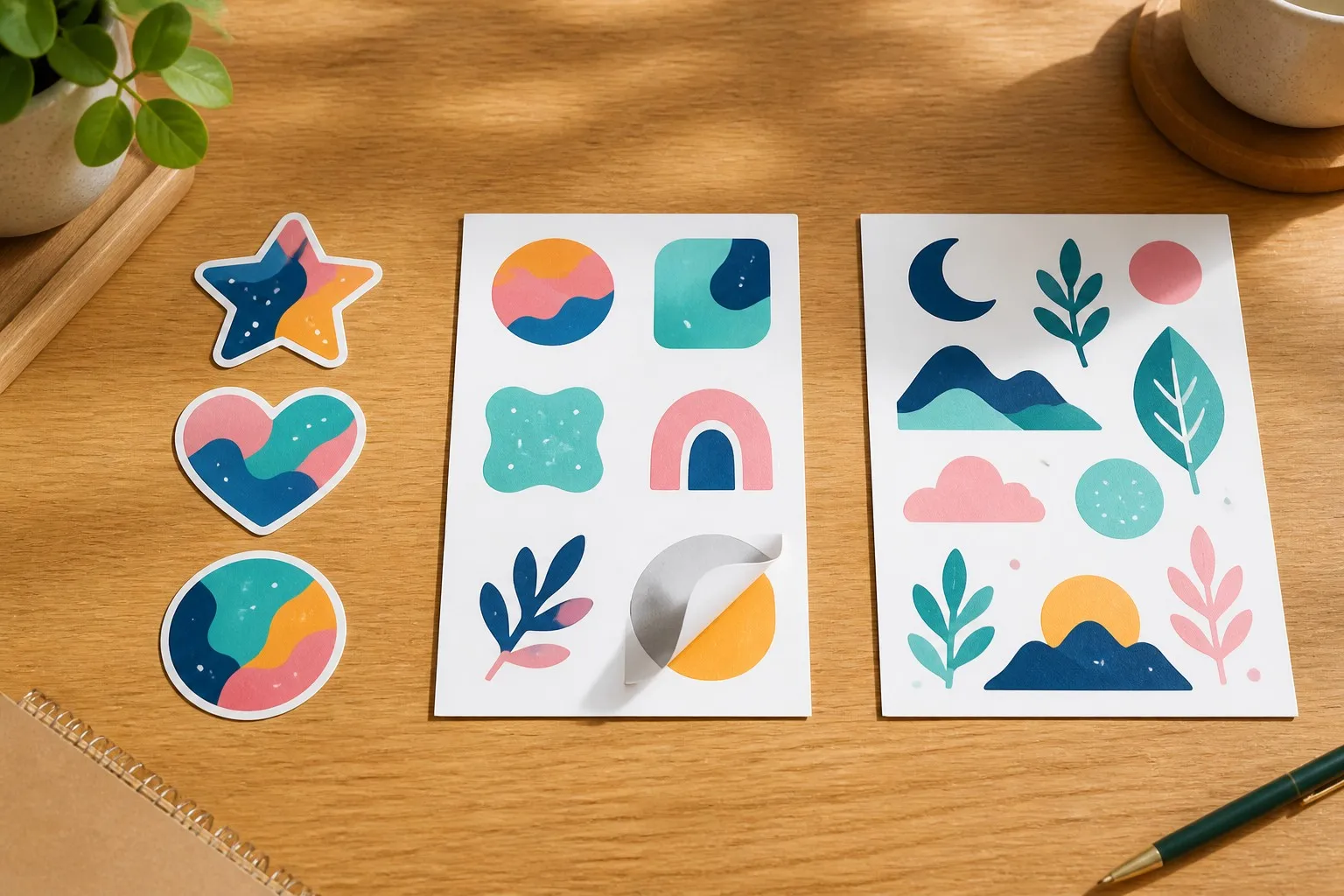
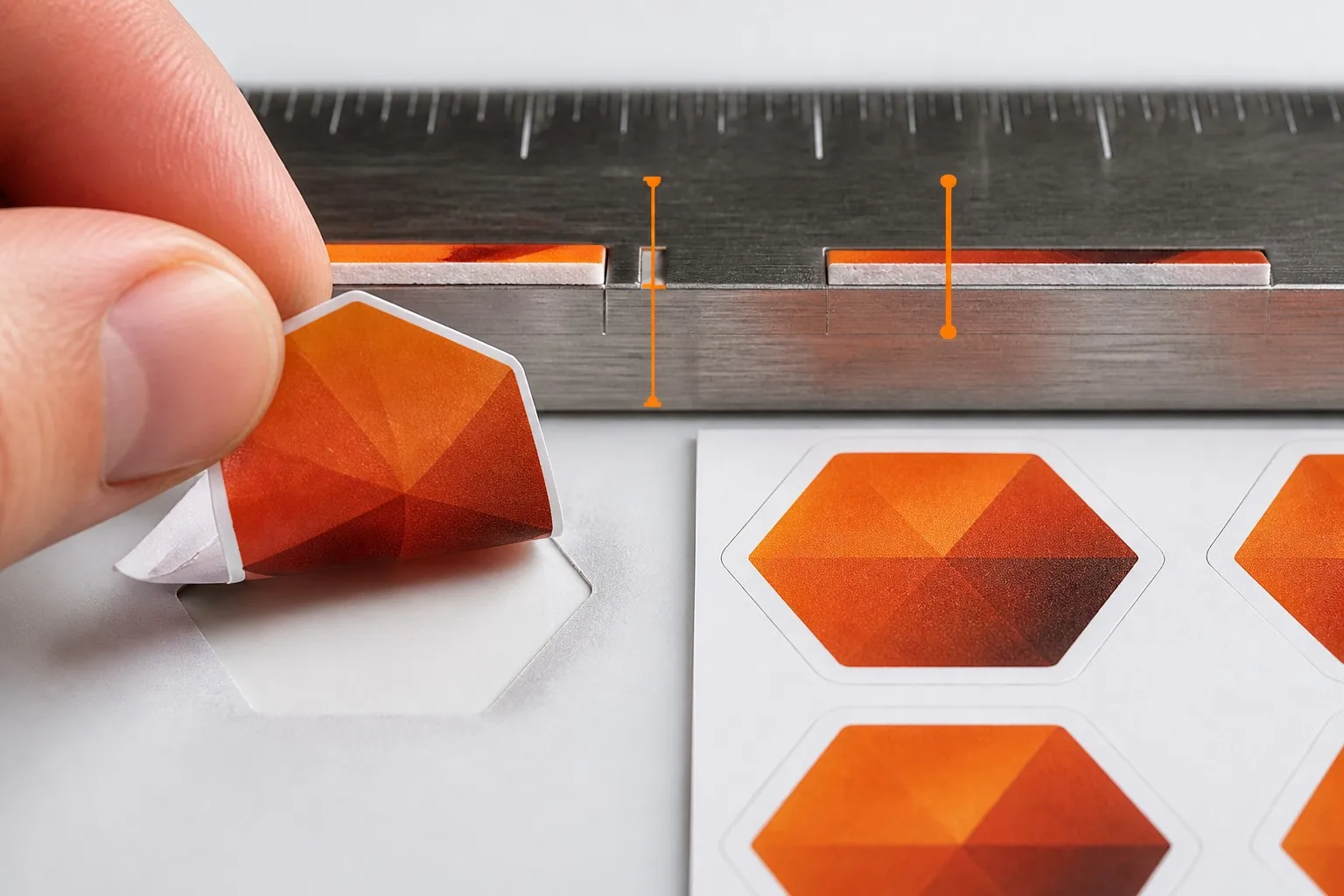
A die cut sticker is cut all the way through both the material and the backing paper, following the exact outline of your design. Each sticker is a standalone piece — no shared backing, no surrounding material.
You're handing stickers out individually, sealing packaging, or your logo's shape is the point. Explore die cut stickers →
A kiss cut sticker is cut through the material layer but not the backing paper. The stickers stay on one shared backing sheet, and you peel each one off when you need it — like band-aids on a sheet.
You want a pack of multiple designs, retail display, or protective backing until use. Explore kiss cut stickers →
A sticker sheet is a themed collection of kiss cut stickers on one printed sheet. The difference from a plain kiss cut sheet: it's designed as a product — a cohesive set built around a theme, an occasion, or a brand identity.
You're creating a retail product, a themed pack for resale, or merch that customers will collect. Explore sticker sheets →
Here's the full picture at a glance:
| Factor | Die Cut | Kiss Cut | Sticker Sheet |
|---|---|---|---|
| Backing | Individual | Shared sheet | Shared sheet |
| Shape follows design | Yes | Yes | Yes |
| Multiple designs | Separate runs | On one sheet | On one sheet (themed) |
| Best for | Giveaways, logos, packaging | Multi-design packs | Retail products, merch sets |
| Distribution | Peel and hand out | Peel from sheet | Sold/kept as a sheet |
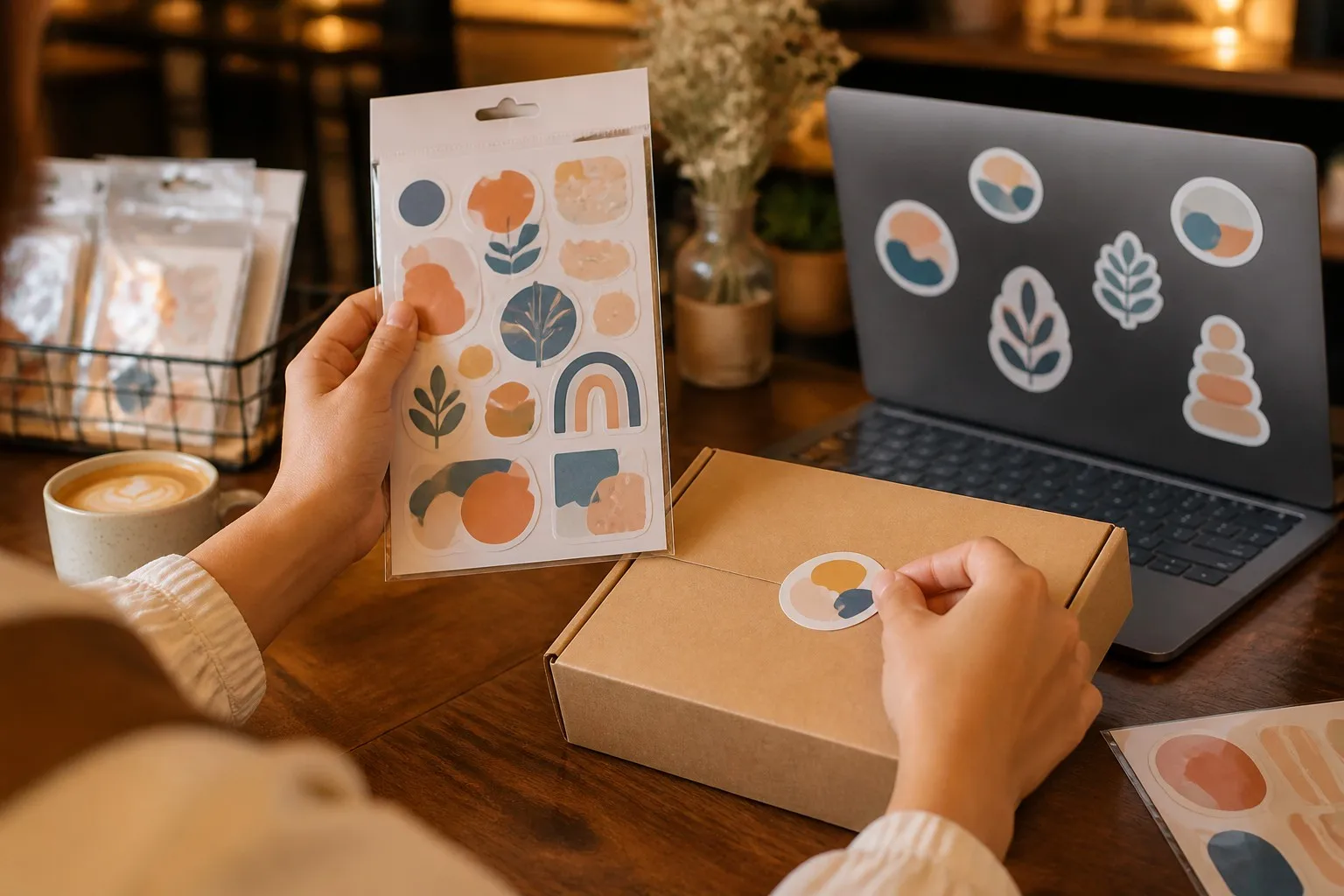
Still deciding? Tell us what you're making — event giveaways, retail packs, or packaging seals — and we'll recommend the format that fits your budget and goal. Get expert advice →
After 24 years of orders, these are the format mistakes we see most — each one costs customers time and money.
Five designs as die cut means five separate cutting runs — and a higher price. Kiss cut puts all five on one sheet for a fraction of the cost.
Guests want a sticker, not a sheet to fumble with. Individual die cut stickers make giveaways effortless and feel more premium.
A sheet with your logo repeated 12 times feels lazy. A themed sheet with coordinated designs (variations, supporting icons, a mascot) feels like a product. The design effort is what makes the sheet worth selling.
Format influences cost through cutting time and material efficiency:
In bulk, die cut is often the cheapest per sticker because cutting costs amortize across thousands. At small quantities (under 500), kiss cut or sheets can be the better value per design.
Related: How Much Do Custom Stickers Cost? Full Breakdown
Want a price comparison across formats? Send us your designs and quantity — we'll quote die cut, kiss cut, and sheet options so you can compare directly. Get all three quotes →
Die cut stickers are cut through both material and backing — each is an individual piece. Kiss cut stickers are cut through material only, so multiple stickers stay on one backing sheet. See our detailed comparison →
Technically, sticker sheets are kiss cut sheets. The difference is intent: a sticker sheet is designed as a themed product (a coordinated set of designs), while a kiss cut sheet is simply a cost-efficient way to produce multiple designs.
For a single design in bulk, die cut is usually cheapest per sticker. For multiple designs, kiss cut is far more efficient — one cutting pass covers the whole sheet. Full pricing guide →
Yes. Many brands order die cut singles for packaging and a themed sheet for retail — we can produce both formats in one production run. Talk to us about combined orders →
About 1.5–2 inches at the narrowest point. Very intricate shapes with thin connections may need simplification. Kiss cut and sheets can handle smaller individual designs because the backing supports them.
Sticker sheets are the retail favorite — they display well, feel like a product, and offer higher perceived value. Kiss cut packs are a close second for shelf display.
Die cut. Individual stickers are effortless to hand out and feel more premium. If you're on a tight budget, kiss cut sheets that customers peel themselves also work.
Yes. We print free physical samples of your design in die cut, kiss cut, and sheet formats so you can compare in hand before ordering. Request your free samples →
Die cut, kiss cut, and sticker sheets each have a job they do best. Match the format to how you'll use the stickers — distribution, retail, or packaging — and you'll get the best look for your budget.
Jokeystickers has printed all three formats for 24 years. We're a factory, not a middleman: factory-direct pricing, free samples before production, eight international certifications (ISO, FSC, UL, REACH, and more), and direct communication with the team that prints your order.
Free samples · Factory-direct pricing · 24-hour turnaround
Send your designs and quantity — compare die cut, kiss cut, and sheet pricing.
Request Your Free Quote →Explore each format:


