
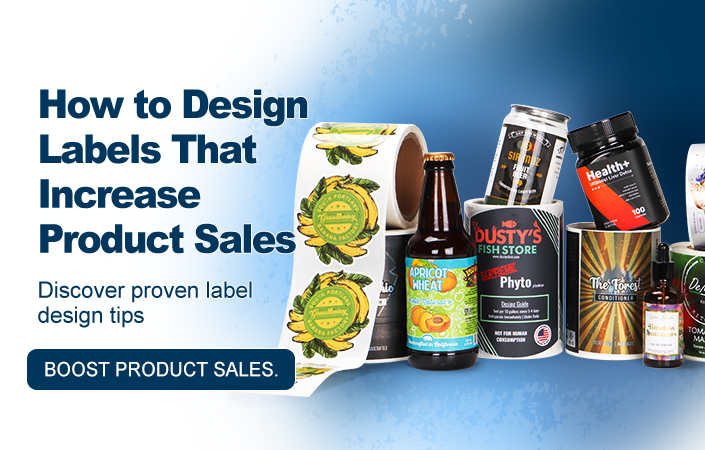
In today’s competitive retail and eCommerce environment, your product label is more than just packaging—it’s a silent salesperson. The difference between a product that gets picked up and one that gets ignored often comes down to effective label design tips and execution.
Many businesses invest heavily in product quality but underestimate how label design impacts customer perception, brand trust, and ultimately, conversion rates. According to industry insights from Statista, over 70% of purchase decisions are influenced by packaging and visual presentation, making label design a critical factor in driving sales.
This article goes beyond aesthetics. You’ll learn strategic label design tips that align visual design with material selection, production feasibility, and real-world application. Whether you’re launching a new product or optimizing existing packaging, these insights will help you design labels that don’t just look good—but actually sell better.
👉 Request Free Samples
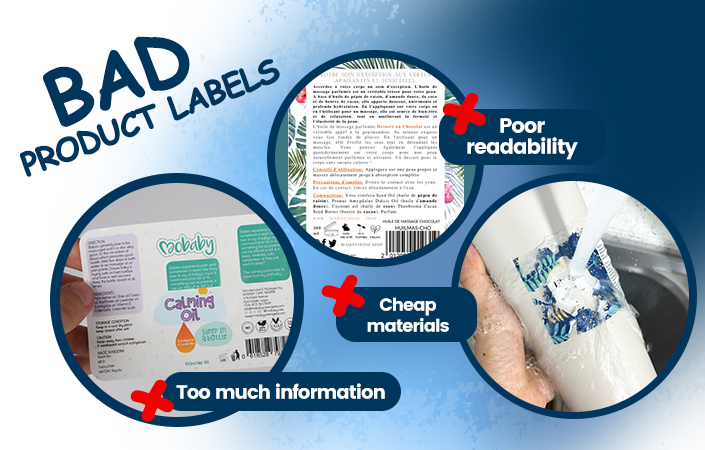
Why Most Label Designs Fail to Convert (And What to Avoid)
Many brands assume that “beautiful design = high sales.”
But in reality, most label failures come from lack of strategy, not lack of creativity.
Common Problems
Typical Mistakes
Real Example
A skincare brand redesigned its label:
👉 Result: Sales increased by 28% within 3 months
Key Insight
High-converting label design = Clarity + Focus + Strategy
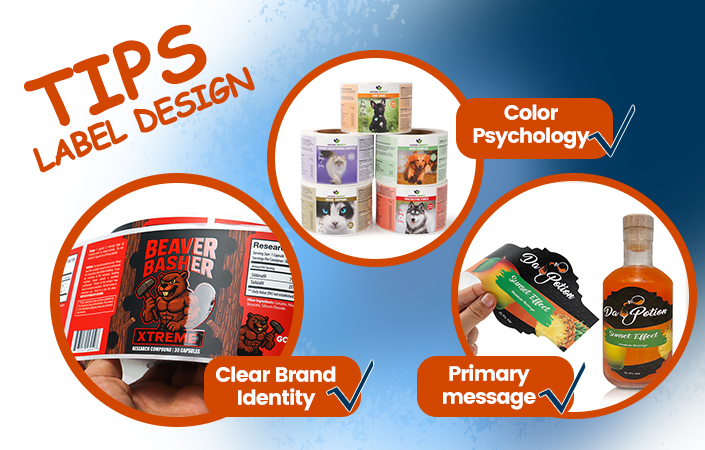
Key Label Design Elements That Drive Sales
Effective label design tips are not random—they follow clear psychological and visual principles.
👉 Customers should identify your brand within 3 seconds
Structure your label like this:
👉 If everything is important → nothing is important
According to Forbes, color increases brand recognition by up to 80%.
These words increase perceived value and urgency.
Real Example
Minimalist packaging often outperforms complex designs because it:
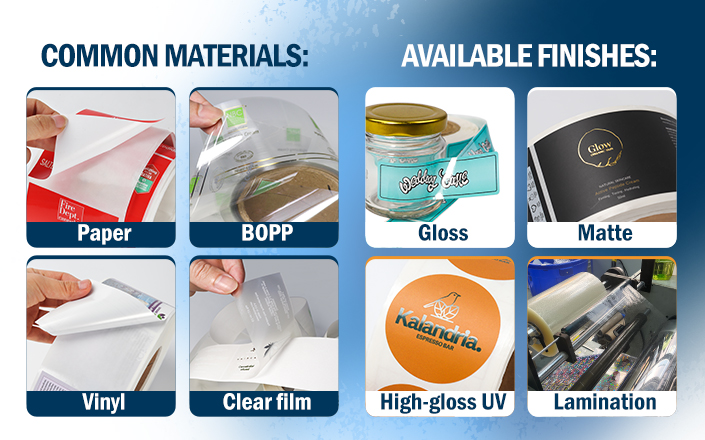
How Materials and Finishes Impact Perceived Value
Great design alone is not enough.
Your label design tips must align with materials and finishes.
👉 Especially important for:
Common Mistakes
Industry Example
A coffee brand switched from paper labels to laminated BOPP:
👉 Result:
Key Insight
Label effectiveness = Design × Material × Finish
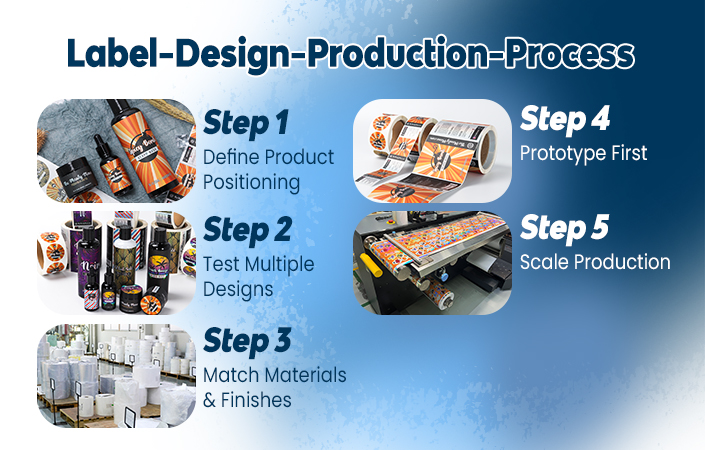
How to Turn Your Label Design into a High-Converting Product
Design is only the first step.
Execution determines results.
Step 1: Define Product Positioning
Step 2: Test Multiple Designs
Step 3: Match Materials & Finishes
Step 4: Prototype First
Step 5: Scale Production
Cost Strategy
Pro Tip
Always validate your label design in real-world conditions before scaling.
👉 Contact Us Today
FAQ
Focus on clarity, strong branding, and readability. Your label should communicate key information within seconds while standing out visually. Avoid clutter and ensure your design aligns with your product positioning.
Yes. Material impacts durability and perceived quality. A premium product with a low-quality label can reduce customer trust and hurt conversion rates.
Both matter. Start with a design that aligns with your brand, then choose materials that balance cost and performance. Avoid sacrificing quality in customer-facing applications.
Use small batch testing and A/B comparisons. Evaluate customer feedback, sales data, and real-world durability before scaling production.
Matte finishes are often preferred for premium branding due to their soft and sophisticated appearance. However, glossy finishes work better for vibrant, eye-catching designs.
Conclusion
Designing labels that increase product sales is not about making something “look nice.”
It’s about creating a strategic combination of design, material, and execution.
To recap:
The brands that succeed are those that treat label design as an investment—not an afterthought.


