
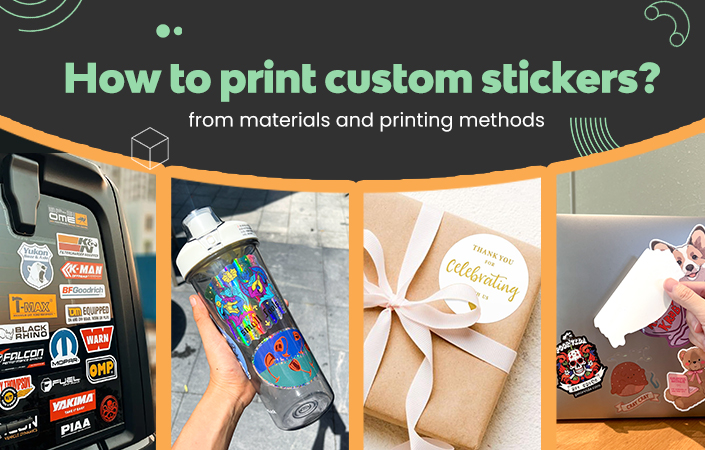
Getting custom stickers printed sounds simple at first, but many buyers quickly realize it is more complex than uploading a design and placing an order. Questions about materials, printing methods, durability, pricing, and minimum order quantities often appear after the first quote, not before. This is where costly mistakes usually happen.
This guide is written for buyers in the U.S. market who want clarity, not sales talk. Whether you are a small business owner, brand manager, retailer, or designer, this article explains how to print custom stickers the right way. You will learn how manufacturers evaluate materials, which printing methods affect quality and cost, how long stickers should last in real-world use, and how to avoid overpaying without sacrificing performance.
According to Market Research data, over 60% of sticker buyers change suppliers after their first order due to quality or durability issues. The goal of this article is to help you make the right decision before you commit. By the end, you will understand the best material for custom stickers, the real cost of custom stickers, and how to work directly with a reliable manufacturer for consistent results.
Get a Quote Now | Talk to Our Expert
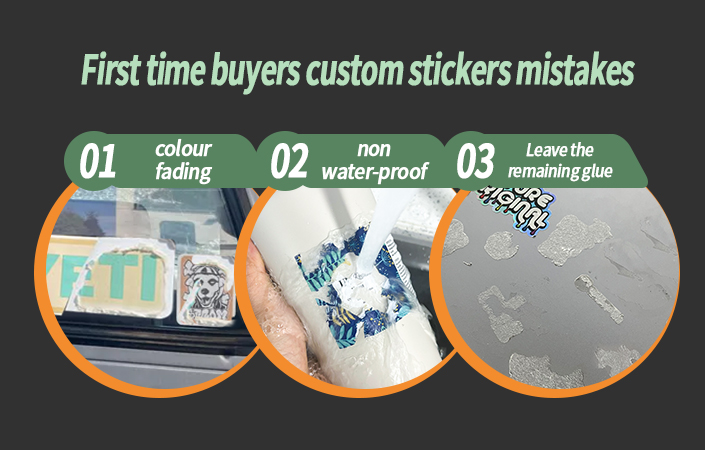
Many first-time buyers focus on price alone when ordering custom stickers, assuming all stickers are essentially the same. This often leads to problems after delivery. The most common mistake is choosing materials without considering how and where the sticker will be used.
Another frequent issue is misunderstanding terminology. Buyers may approve “vinyl” without asking whether it is calendared or cast, or request “waterproof” stickers without confirming lamination or adhesive strength. These small details make a significant difference in real-world performance.
Common mistakes include:
Professional manufacturers guide buyers through these decisions instead of simply taking orders. If a supplier does not ask about your application, environment, or quantity goals, that is usually a red flag.
Talk to Our Expert | See How We Control Quality
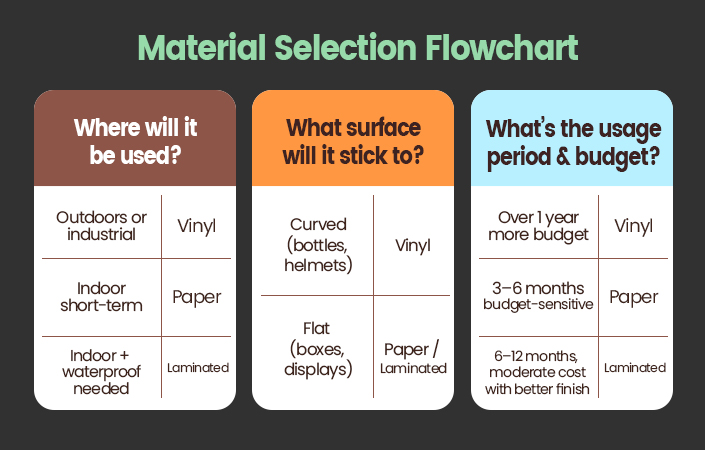
Choosing the best material for custom stickers starts with understanding the application. Sticker materials are engineered for specific conditions, not one-size-fits-all use.
Paper-based stickers are cost-effective and ideal for short-term indoor use such as product labels, promotional seals, or event packaging. However, they are not water-resistant and tear easily.
Vinyl stickers are the most popular option for custom stickers because of their flexibility, durability, and weather resistance. They perform well for branding, outdoor use, and long-term applications. PET materials are often chosen for premium labels, cosmetics, and electronics due to their dimensional stability and clean finish.
Material selection should consider:
Statista reports that vinyl-based stickers account for over 55% of the global custom sticker market due to their versatility and durability. A reliable manufacturer will recommend materials based on function, not just margin.
Explore Material Options | Request Free Samples
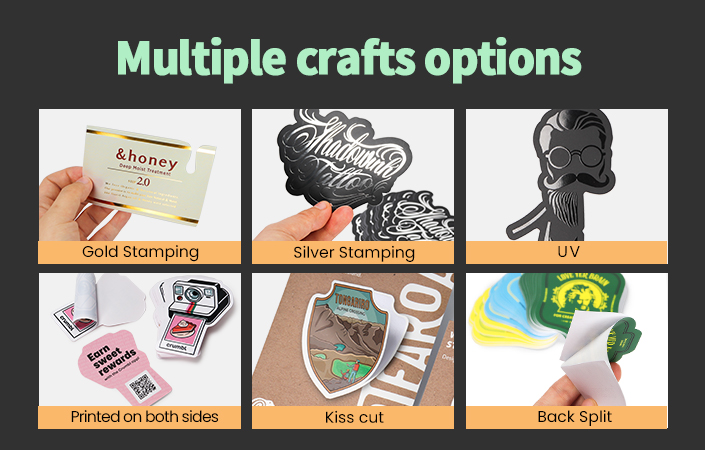
Understanding printing methods is essential when evaluating the cost of custom stickers. The printing process directly impacts color accuracy, edge sharpness, and long-term performance.
Digital printing is ideal for small to medium runs with multiple designs. It offers fast turnaround and consistent color, making it suitable for startups and seasonal campaigns. Flexographic printing, on the other hand, is more cost-effective for large-volume wholesale orders but requires higher setup costs.
Key factors influenced by printing methods:
Forbes highlights that buyers who align printing methods with order volume reduce overall sticker costs by up to 30%. Professional factories help buyers select the right process instead of defaulting to one method for all orders.
Check Bulk Pricing | Get Factory Direct Price
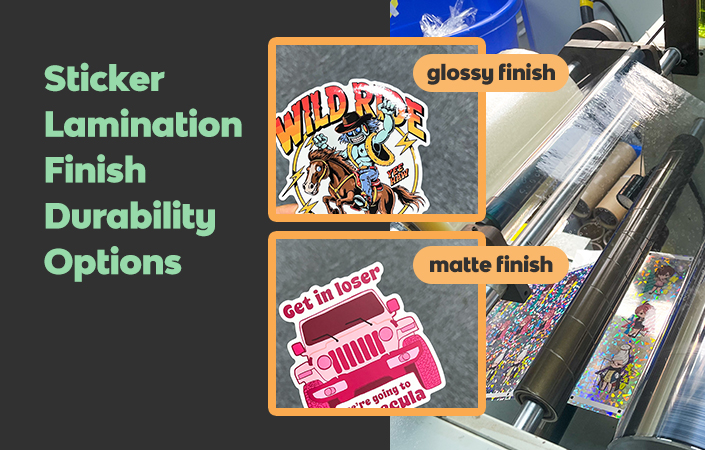
Durability is one of the most misunderstood aspects of custom stickers. Many buyers assume thicker materials automatically last longer, but finishing options play an equally important role.
Lamination protects printed surfaces from water, UV exposure, and abrasion. Gloss lamination enhances color vibrancy, while matte finishes reduce glare and fingerprints. For outdoor or industrial use, UV-resistant coatings significantly extend lifespan.
Typical durability expectations:
Market Research data shows that laminated vinyl stickers last up to four times longer than non-laminated alternatives in outdoor conditions. Discussing finishing options with your manufacturer ensures performance matches expectations.
Request MOQ Details | See Why 1,000+ Businesses Trust Us
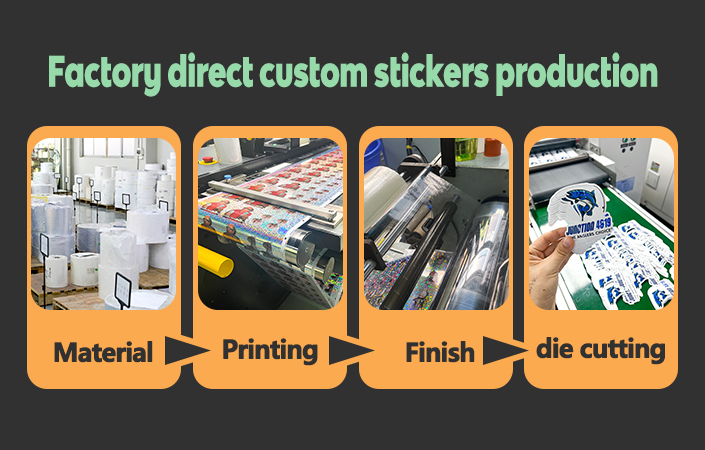
The most effective way to control quality and cost is working directly with a manufacturer rather than multiple intermediaries. Factory-direct sourcing provides transparency in materials, production methods, and pricing.
To avoid overpaying:
Reliable suppliers act as consultants, not order takers. They explain trade-offs clearly and help you optimize design, material, and quantity for your budget. This approach builds long-term consistency, especially for growing brands and wholesale buyers.
Get Wholesale Pricing Today | Contact Us Today
How do I print custom stickers if I am ordering for the first time?
Start by defining the application, quantity, and budget. Share these details with a manufacturer who can recommend materials and printing methods. Request samples before confirming bulk production to avoid surprises.
What is the best material for custom stickers used outdoors?
Vinyl with UV-resistant lamination is the most reliable option. It resists water, sunlight, and temperature changes, making it suitable for long-term outdoor branding.
How much does it cost to print custom stickers?
The cost of custom stickers depends on material, size, quantity, printing method, and finishing. Higher quantities reduce unit cost, especially with factory-direct suppliers.
Are custom stickers waterproof by default?
Not always. Waterproof performance depends on material, adhesive, ink, and lamination. Always confirm specifications rather than relying on generic descriptions.
How long does custom sticker production take?
Production usually takes 5–10 business days after artwork approval. Shipping time depends on location and order volume.
Printing custom stickers is not just a design decision, but a strategic sourcing choice. By understanding materials, printing methods, durability, and cost structures, buyers can avoid common mistakes and achieve consistent results. The right manufacturer acts as a partner, guiding each step from concept to delivery.
If you want reliable quality, transparent pricing, and expert support, working directly with a factory makes the difference. Your brand deserves stickers that perform as expected, not just look good on screen.
Start Your Custom Design | Your Brand Deserves Better Labels – Click Here


